Mosquitoes
Flies
Flies in Food Facilities
Introduction
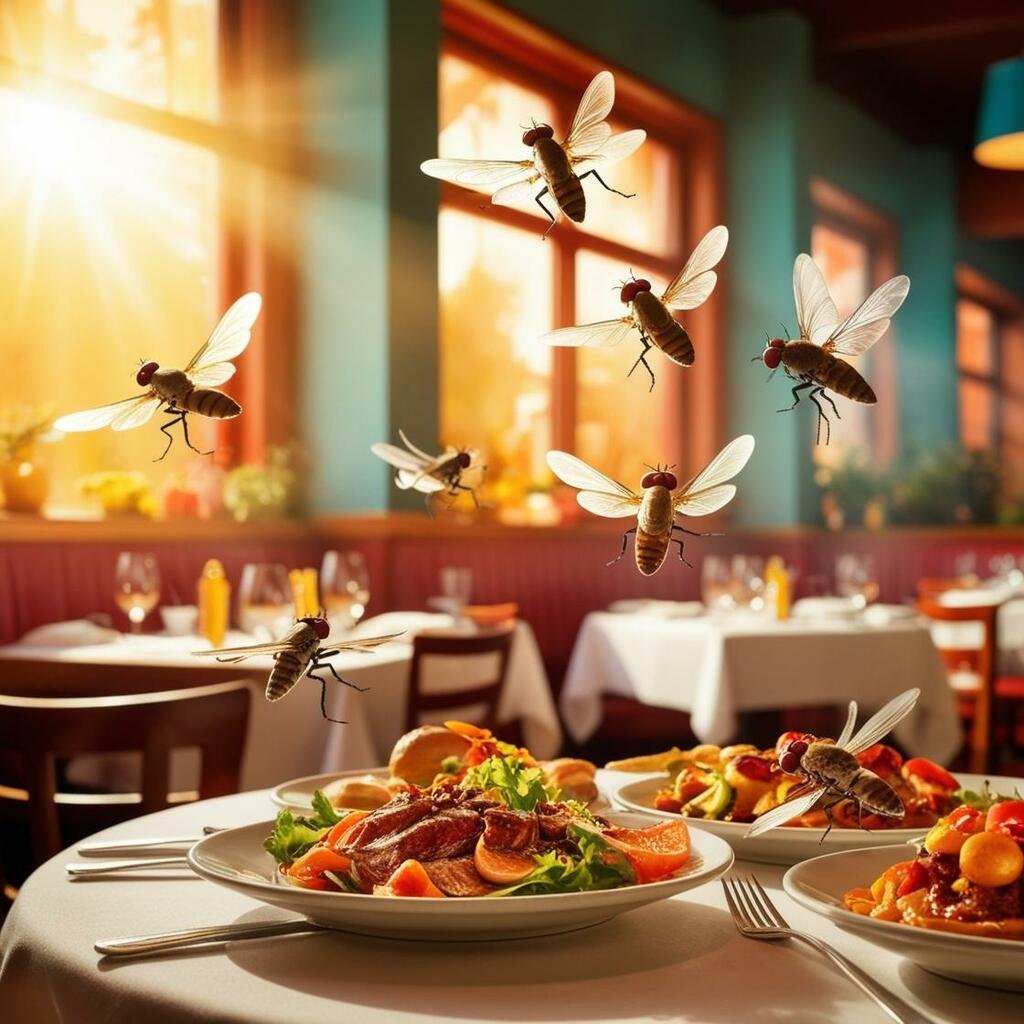
Flies are a common pest in food facilities, attracted to food residues, waste, and unsanitary conditions. They pose serious health risks as they can carry bacteria, viruses, and parasites, contaminating food and surfaces. Effective control of flies is essential to maintain food safety and uphold the reputation of the establishment.
Types of Flies
1. Housefly (Musca domestica):
- The most common fly species in food facilities.
- Attracted to food residues, waste, and organic matter.
2. Fruit Fly (Drosophila spp.):
- Small flies attracted to overripe fruits, vegetables, and sugary substances.
- Common in food preparation areas.
3. Drain Fly (Psychodidae):
- Found in moist, organic-rich areas like drains and sinks.
- Attracted to decaying matter.
4. Blowfly (Calliphoridae):
- Metallic-colored flies that lay eggs on decaying organic matter and waste.
- A serious risk in food storage areas.
Risks of Flies in Food Facilities
1. Disease Transmission:
- Flies can carry pathogens like Salmonella, E. coli, and typhoid bacteria.
- Contaminate food by landing on surfaces and food items.
2. Food Contamination:
- Flies transfer dirt and microorganisms to food, leading to spoilage and health risks.
3. Damage to Reputation:
- Fly infestations can lead to customer complaints and harm the business’s reputation.
4. Economic Losses:
- Contaminated food must be discarded, causing financial losses.
Prevention of Flies
1. Maintain Hygiene:
- Regularly clean food preparation areas, waste bins, and drains.
- Ensure floors and surfaces are free of spills and food debris.
2. Proper Waste Management:
- Store waste in sealed containers and empty them regularly.
- Avoid waste accumulation near food preparation areas.
3. Install Fly Barriers:
- Use screens on windows and doors.
- Install air curtains or plastic strips at entry points.
4. Monitor and Inspect:
- Regularly check for signs of fly activity, such as larvae or adult flies.
Control Methods for Flies
1. Chemical Control:
- Use fly sprays or aerosols approved for food facilities.
- Apply insecticides in areas where flies rest, such as walls and ceilings.
2. Fly Traps:
- Use sticky traps, UV light traps, or bait traps to capture flies.
3. Biological Control:
- Introduce natural predators or pathogens that target fly populations.
4. Professional Pest Control:
- Engage licensed pest control professionals for thorough fly management.
Role of JAPTA in Fly Control
**JAPTA**, licensed by the Egyptian Ministry of Health, provides expert services to manage fly infestations in food facilities, ensuring compliance with food safety standards.
1. Initial Assessment:
- Conduct inspections to identify fly sources and infestation severity.
2. Implementing IPM Systems:
- Develop customized Integrated Pest Management (IPM) programs combining prevention and targeted control methods.
3. Safe Pesticide Use:
- Apply Ministry of Health-approved insecticides to protect food and ensure worker safety.
4. Training and Awareness:
- Train staff on preventive measures to minimize fly infestations.
5. Continuous Monitoring:
- Offer regular monitoring to ensure the effectiveness of fly control strategies.
6. Documentation and Reporting:
- Provide detailed reports on pest control activities and results.
Why Choose JAPTA?
- Certified and experienced team licensed by the Egyptian Ministry of Health.
- Sustainable and eco-friendly pest management solutions.
- Expertise in food facilities to ensure compliance with health standards.
- Comprehensive customer support with ongoing monitoring and follow-ups.
JAPTA is your reliable partner in achieving a fly-free environment in your food facilities!
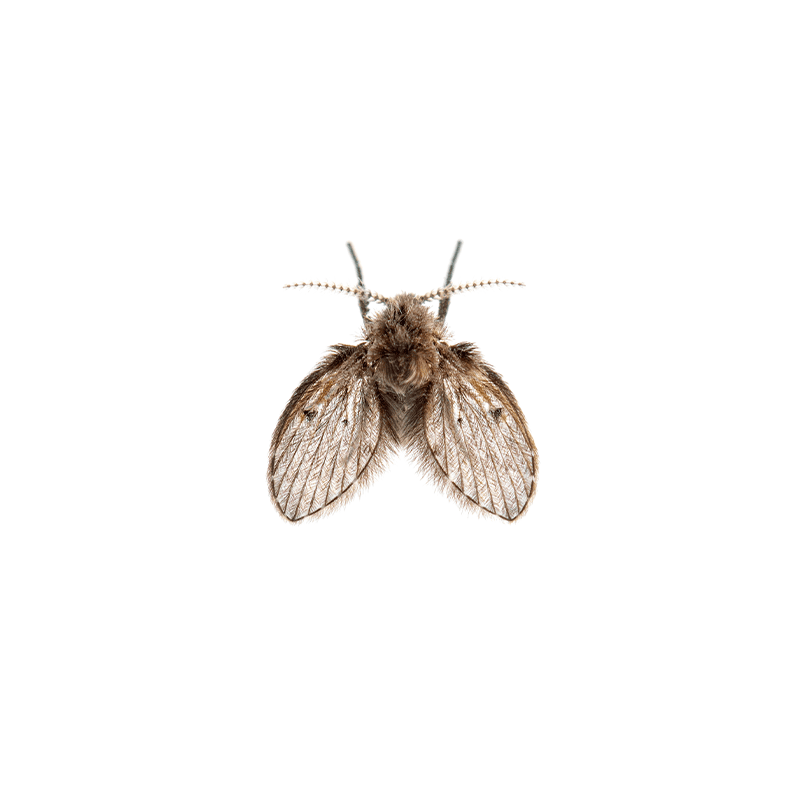
Drain flies
**Introduction**
Drain flies, also known as filter flies or sewer flies, are small flying insects belonging to the Psychodidae family. They are characterized by their hairy bodies and small wings. These flies thrive in damp environments rich in organic material, making them common in kitchens, bathrooms, and drains.
**General Characteristics**
1. **Size**: Small, ranging from 2-5 mm in length.
2. **Appearance**: Hairy body, fan-shaped wings, and colors ranging from gray to brown.
3. **Activity**: Most active at night but may be seen during the day.
4. **Habitat**:
- Drains with stagnant water.
- Sewer pipes.
- Damp areas contaminated with organic material.
**Risks**
1. **Contamination**:
- Can contaminate food surfaces by coming into contact with dirty areas.
2. **Disease Transmission**:
- May carry bacteria and pathogens from contaminated areas to food.
3. **Nuisance**:
- Large numbers can become a source of irritation for residents or workers.
**Prevention and Control**
1. **Maintain Cleanliness**:
- Regularly clean drains.
- Remove organic build-up in pipes.
2. **Dry Damp Areas**:
- Fix water leaks.
- Regularly clean standing water.
3. **Use Enzymatic Cleaners**:
- To break down organic layers in drains.
4. **Improve Ventilation**:
- Ensure proper airflow in damp areas to reduce fly breeding.
5. **Seek Professional Help**:
- Contact pest control services for severe infestations.
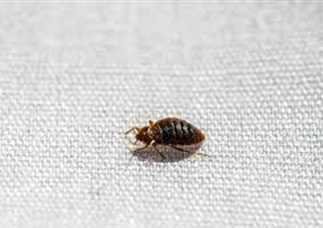
Bugs
Bed Bugs in Food Facilities
Introduction
Bed bugs are crawling insects that can occasionally infest food facilities, especially in storage or resting areas where humans and animals frequent. While they are not typically associated with food contamination, their presence can cause significant discomfort, health issues, and reputational damage to businesses.
Characteristics of Bed Bugs
1. Crawling insects that are flat and oval-shaped.
2. Brown or reddish-brown in color, becoming more reddish after feeding on blood.
3. Small in size, typically 5–7 mm in length.
4. Active during the night and hide in cracks, furniture, and upholstery during the day.
Risks of Bed Bugs in Food Facilities
1. Health Risks:
- Bed bugs feed on human and animal blood, causing itchy bites and allergic reactions in some individuals.
2. Reputational Damage:
- Visible infestations can harm the reputation of the food facility and lead to customer complaints.
3. Spread of Infestations:
- Bed bugs can spread quickly, infesting storage areas, furniture, and nearby spaces.
4. Regulatory Issues:
- Their presence in food-related areas may raise concerns about hygiene and compliance.
Prevention of Bed Bugs
1. Inspect Regularly:
- Conduct routine inspections of storage and resting areas for signs of bed bugs, such as blood stains or shed skins.
2. Seal Cracks and Gaps:
- Close crevices in walls, floors, and furniture to eliminate hiding spots.
3. Maintain Cleanliness:
- Clean upholstery, carpets, and furniture regularly to reduce infestation risks.
4. Limit Access:
- Restrict access of external items like luggage and boxes, which may carry bed bugs.
Control Methods for Bed Bugs
1. Heat Treatment:
- Use high temperatures to kill bed bugs and their eggs.
2. Chemical Treatment:
- Apply approved insecticides in affected areas, focusing on hiding spots.
3. Steam Cleaning:
- Use steam to sanitize furniture, mattresses, and cracks.
4. Professional Pest Control:
- Engage licensed pest control services for comprehensive bed bug management.
Role of JAPTA in Bed Bug Control
**JAPTA**, licensed by the Egyptian Ministry of Health, specializes in managing bed bug infestations in food facilities and ensuring compliance with hygiene standards.
1. Initial Assessment:
- Inspect the facility to identify bed bug activity and hiding spots.
2. Implementing IPM Systems:
- Develop Integrated Pest Management (IPM) programs tailored to prevent and control bed bug infestations.
3. Safe Treatment Application:
- Use Ministry of Health-approved insecticides and treatments to ensure safety.
4. Training and Awareness:
- Educate staff on identifying and managing bed bug infestations.
5. Continuous Monitoring:
- Provide regular follow-ups to ensure the facility remains bed bug-free.
6. Documentation and Reporting:
- Offer detailed reports on pest control activities and outcomes.
Why Choose JAPTA?
- Certified and experienced team licensed by the Egyptian Ministry of Health.
- Sustainable and eco-friendly pest management solutions.
- Expertise in food facilities to ensure compliance with health standards.
- Comprehensive customer support with ongoing monitoring and follow-ups.
JAPTA is your trusted partner in maintaining a bed bug-free environment in your food facilities!
Weevils
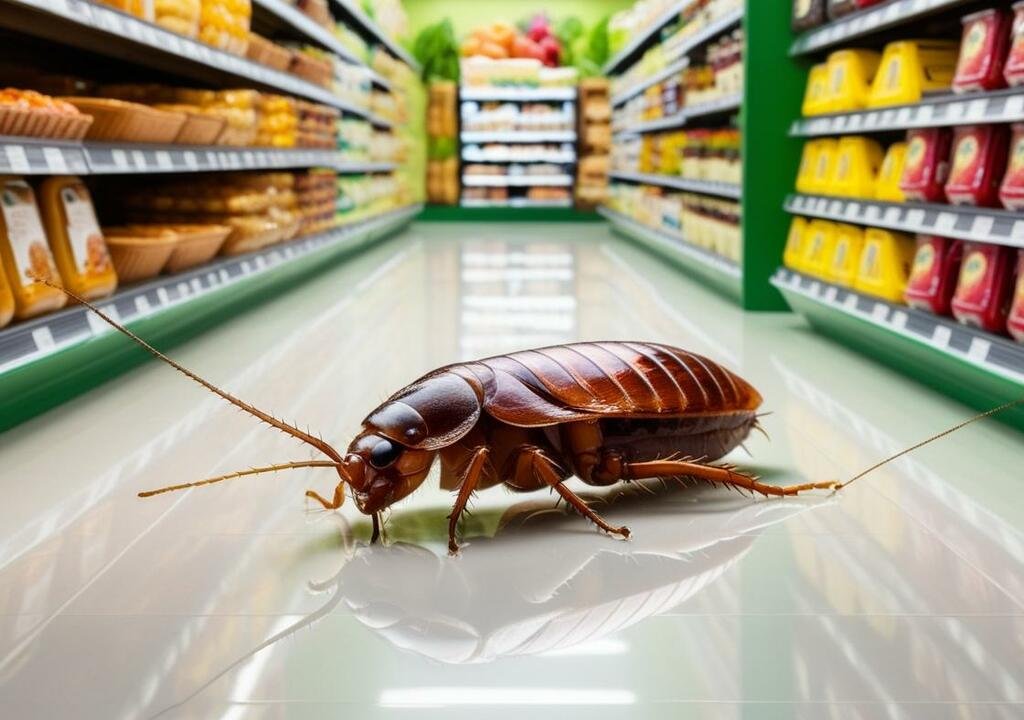
Cockroach
Cockroaches in Food Facilities
Introduction
Cockroaches are among the most common pests in food facilities, posing significant risks to food safety and consumer health. They can spread bacteria, viruses, and parasites by contaminating food and surfaces. Their presence leads to economic losses and damages the reputation of food establishments.
Types of Cockroaches
1. German Cockroach (Blattella germanica):
- Small (1.5 cm) and light brown in color.
- Commonly found in kitchens and warm, humid areas.
2. American Cockroach (Periplaneta americana):
- Large (up to 5 cm) and reddish-brown in color.
- Prefers dark, moist environments like sewers and storage areas.
3. Oriental Cockroach (Blatta orientalis):
- Black in color and medium-sized.
- Found in damp areas like pipes and drains.
4. Brown-Banded Cockroach (Supella longipalpa):
- Small with brown stripes on its back.
- Prefers dry areas like cabinets.
Risks of Cockroaches in Food Facilities
1. Disease Transmission:
- Carry bacteria such as Salmonella and E. coli.
- Spread viruses and parasites.
2. Food Contamination:
- Leave droppings on food and surfaces, causing contamination.
3. Economic Losses:
- Damage to food products.
- Loss of customer trust and potential legal issues.
4. Rapid Reproduction:
- Cockroaches reproduce quickly, making infestations harder to control if not addressed promptly.
Prevention of Cockroaches
1. Maintain General Hygiene:
- Regularly clean surfaces and food equipment.
- Immediately remove food crumbs and spills.
2. Eliminate Water Sources:
- Fix leaks and avoid stagnant water.
- Dry wet areas thoroughly.
3. Proper Storage:
- Store food in sealed, airtight containers.
- Avoid leaving food exposed.
4. Seal Entry Points:
- Close cracks and gaps in walls and floors.
- Use insect-proof mesh on windows and openings.
5. Regular Inspections:
- Monitor the facility regularly for signs of cockroaches, such as droppings or carcasses.
Control Methods for Cockroaches
1. Pesticides:
- Use specialized pesticides approved for food facilities.
- Focus on hidden and dark areas where cockroaches hide.
2. Baiting:
- Place toxic baits in infested areas to eliminate cockroaches indirectly.
3. Periodic Spraying:
- Use effective chemical sprays in heavily infested areas.
4. Steam Sanitization:
- A non-chemical method to kill eggs and early-stage cockroaches.
5. Safe Waste Disposal:
- Collect waste in sealed containers and dispose of it regularly.
Role of JAPTA in Cockroach Control
**JAPTA**, licensed by the Egyptian Ministry of Health, offers professional services to combat cockroach infestations in food facilities. Their expertise ensures sustainable and effective pest management solutions.
1. Initial Assessment:
- Conduct thorough inspections to identify the source and severity of infestations.
2. Implementing IPM Systems:
- Develop customized Integrated Pest Management (IPM) programs focusing on prevention, monitoring, and targeted treatments.
3. Safe Pesticide Use:
- Apply Ministry of Health-approved products to ensure food and worker safety.
4. Training and Awareness:
- Train staff on best practices to prevent future infestations.
5. Continuous Monitoring:
- Provide periodic monitoring to ensure the effectiveness of pest control measures.
6. Documentation and Reporting:
- Offer detailed reports outlining the measures taken and outcomes achieved.
Why Choose JAPTA?
- Certified and experienced team licensed by the Egyptian Ministry of Health.
- Sustainable and eco-friendly solutions.
- Expertise in food facilities to ensure compliance with health standards.
- Comprehensive customer support with continuous monitoring and follow-ups.
JAPTA is your ideal partner in maintaining a cockroach-free environment in your food facilities!
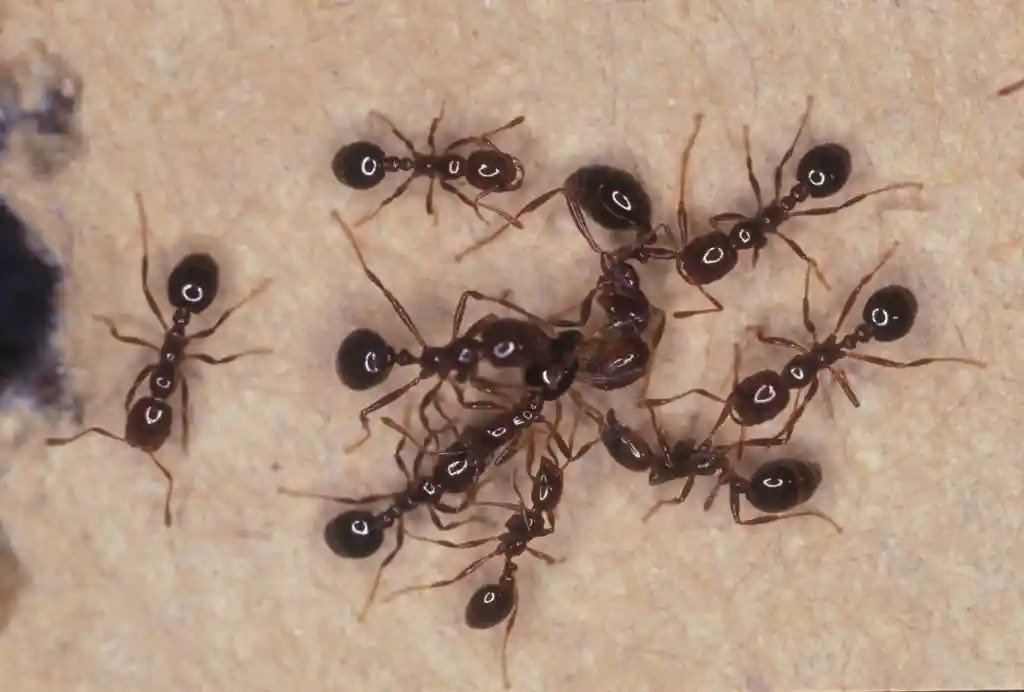
Ants
Ants in Food Facilities
Introduction
Ants are common pests in food facilities, attracted by food residues, sweet substances, and accessible food storage areas. Their presence can lead to food contamination, reputation damage, and economic losses in food establishments.
Types of Ants
1. Pharaoh Ant (Monomorium pharaonis):
- Small and yellowish-brown in color.
- Common in warm indoor environments such as kitchens.
2. Carpenter Ant (Camponotus spp.):
- Large and black or dark brown.
- Known for nesting in wood, causing structural damage.
3. Sugar Ant (Camponotus consobrinus):
- Attracted to sugary substances and sweet foods.
- Commonly invades kitchens and pantries.
4. Fire Ant (Solenopsis spp.):
- Reddish in color and aggressive.
- May sting, posing a health hazard to humans.
Risks of Ants in Food Facilities
1. Food Contamination:
- Ants can contaminate food by carrying dirt, bacteria, and pathogens from unsanitary areas.
2. Damage to Reputation:
- Visible ant infestations can lead to customer complaints and damage the reputation of the establishment.
3. Structural Damage:
- Some species, such as carpenter ants, can damage wooden structures.
4. Economic Losses:
- Infestations can lead to wasted food and financial loss.
Prevention of Ants
1. Maintain Hygiene:
- Regularly clean floors, counters, and equipment to eliminate food residues.
- Store food in airtight containers.
2. Remove Attractants:
- Avoid leaving sugary substances or crumbs exposed.
- Ensure waste bins are covered and emptied regularly.
3. Seal Entry Points:
- Close gaps, cracks, and crevices in walls and floors to prevent ant entry.
- Use door sweeps and window screens.
4. Monitor and Inspect:
- Regularly inspect the facility for signs of ants, such as trails or nests.
Control Methods for Ants
1. Baiting:
- Use ant baits to attract and eliminate colonies.
2. Spraying:
- Apply approved insecticides in affected areas, focusing on trails and entry points.
3. Trapping:
- Set traps in high-activity areas to reduce ant populations.
4. Professional Pest Control:
- Engage licensed professionals for effective ant control.
Role of JAPTA in Ant Control
**JAPTA**, licensed by the Egyptian Ministry of Health, offers specialized services to combat ant infestations in food facilities. The team ensures effective and sustainable solutions.
1. Initial Assessment:
- Conduct thorough inspections to identify the source and severity of infestations.
2. Implementing IPM Systems:
- Develop customized Integrated Pest Management (IPM) programs focusing on prevention and targeted treatments.
3. Safe Pesticide Use:
- Apply Ministry of Health-approved insecticides to ensure food and worker safety.
4. Training and Awareness:
- Train staff on preventive measures to minimize future infestations.
5. Continuous Monitoring:
- Provide periodic monitoring to ensure the effectiveness of pest control measures.
6. Documentation and Reporting:
- Prepare detailed reports outlining actions taken and results achieved.
Why Choose JAPTA?
- Certified and experienced team licensed by the Egyptian Ministry of Health.
- Sustainable and eco-friendly pest control solutions.
- Expertise in food facilities to ensure compliance with health standards.
- Comprehensive customer support with ongoing monitoring and follow-ups.
JAPTA is your trusted partner in maintaining an ant-free environment in your food facilities!
Stray Animals in Food Facilities
Introduction
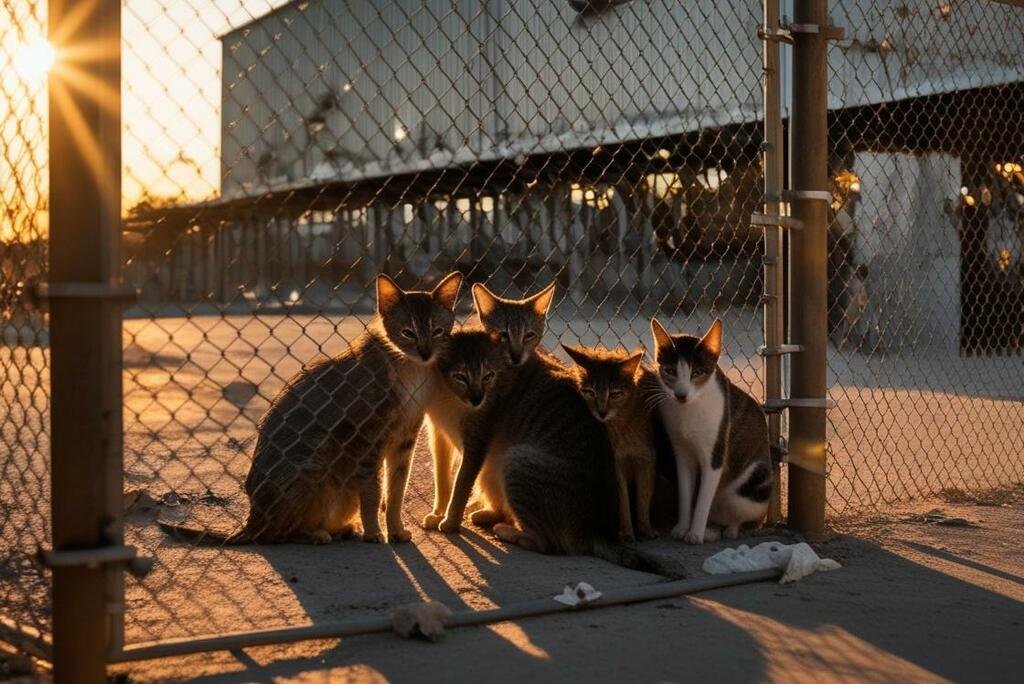
Stray animals, including cats, dogs, and other wildlife, can pose significant risks in food facilities. Their presence is often due to the availability of food, water, and shelter. Stray animals can lead to contamination, health hazards, and damage to the reputation of the facility.
Types of Stray Animals Common in Food Facilities
1. Stray Cats:
- Often attracted to food scraps and waste areas.
- Can introduce fleas, bacteria, and other pathogens.
2. Stray Dogs:
- May enter facilities seeking food or shelter.
- Pose safety risks due to aggressive behavior and disease transmission.
3. Wildlife (e.g., rats, birds):
- Often find access through open spaces and pose contamination risks.
Risks of Stray Animals in Food Facilities
1. Food Contamination:
- Stray animals can introduce bacteria and pathogens through their fur, saliva, and waste.
2. Health Hazards:
- Potential carriers of diseases such as rabies, leptospirosis, and toxoplasmosis.
3. Regulatory Non-Compliance:
- Presence of stray animals can lead to violations of food safety and hygiene standards.
4. Reputational Damage:
- Customers may lose trust in the facility due to visible stray animals.
Prevention of Stray Animals
1. Secure Facility Boundaries:
- Install fences, gates, and barriers to prevent animal entry.
- Ensure doors and windows are closed when not in use.
2. Proper Waste Management:
- Store waste in sealed containers to avoid attracting stray animals.
- Regularly dispose of waste to minimize odors.
3. Eliminate Access to Food and Water:
- Remove food scraps and standing water that may attract stray animals.
4. Maintain Cleanliness:
- Regularly clean outdoor and indoor areas to discourage animal presence.
Control Methods for Stray Animals
1. Trapping and Relocation:
- Use humane traps to capture stray animals and relocate them safely.
2. Fencing and Barriers:
- Install animal-proof barriers around sensitive areas.
3. Repellents:
- Use animal-safe repellents to deter stray animals from entering the facility.
4. Professional Pest and Animal Control:
- Engage licensed professionals to manage stray animal issues.
Role of JAPTA in Managing Stray Animals
**JAPTA**, licensed by the Egyptian Ministry of Health, specializes in controlling and managing stray animal issues in food facilities. Their team ensures safe, humane, and effective solutions.
1. Initial Assessment:
- Conduct inspections to identify areas attracting stray animals and assess risks.
2. Implementing IPM Systems:
- Develop Integrated Pest Management (IPM) programs tailored to prevent and control stray animals.
3. Humane Trapping and Removal:
- Use humane methods to remove stray animals from the premises safely.
4. Training and Awareness:
- Educate staff on measures to prevent stray animal entry and maintain cleanliness.
5. Continuous Monitoring:
- Provide regular follow-ups to ensure stray animals do not return.
6. Documentation and Reporting:
- Offer detailed reports on actions taken and outcomes achieved.
Why Choose JAPTA?
- Certified and experienced team licensed by the Egyptian Ministry of Health.
- Sustainable and humane solutions for stray animal management.
- Expertise in food facilities to ensure compliance with health standards.
- Comprehensive customer support with ongoing monitoring and follow-ups.
JAPTA is your trusted partner in maintaining a stray animal-free environment in your food facilities!
Rodents in Food Facilities
Introduction
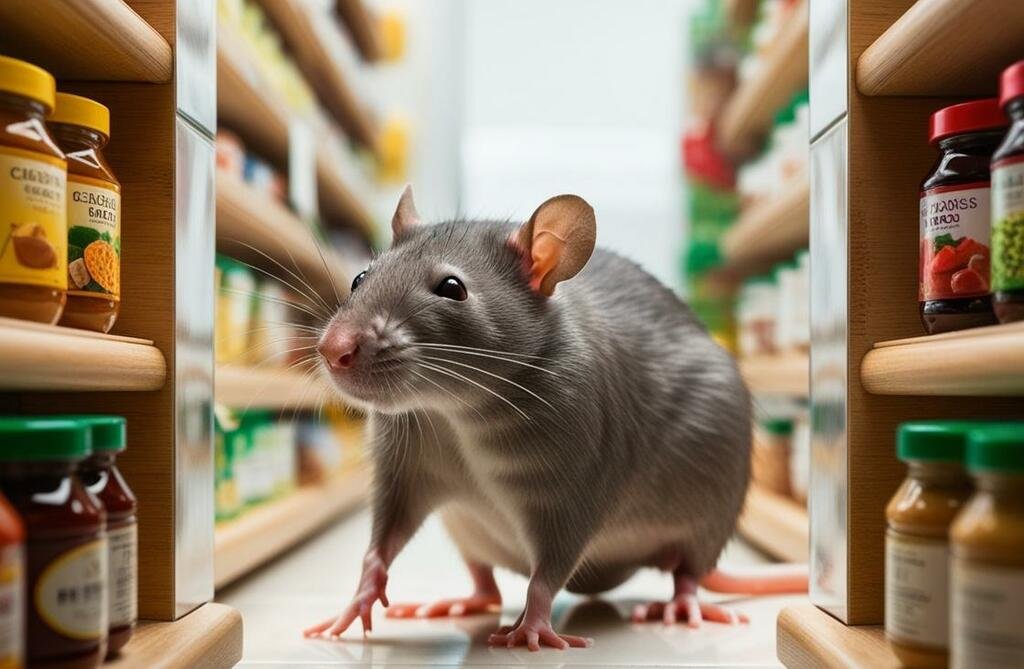
Rodents, particularly rats and mice, are significant pests in food facilities. They are attracted to food sources, water, and shelter, making food establishments highly vulnerable to infestations. Rodents pose severe risks by spreading diseases, contaminating food, and causing structural damage.
Types of Rodents Common in Egypt
1. House Mouse (Mus musculus):
- Small in size and agile.
- Frequently found near food storage areas.
2. Brown Rat (Rattus norvegicus):
- Also known as the Norway rat.
- Larger in size and prefers ground-level spaces like basements and sewers.
3. Black Rat (Rattus rattus):
- Also called the roof rat.
- Prefers high places such as ceilings and attics.
Risks of Rodents in Food Facilities
1. Disease Transmission:
- Rodents carry diseases such as leptospirosis, salmonella, and hantavirus.
- They contaminate food with their droppings, urine, and saliva.
2. Food Contamination:
- Rodents gnaw into food packaging and stored goods, leading to contamination.
3. Structural Damage:
- Their gnawing can damage electrical wiring, causing fire hazards.
- Structural damages to walls, floors, and storage areas.
4. Damage to Reputation:
- Visible signs of rodent infestations can lead to customer complaints and legal consequences.
Prevention of Rodents
1. Maintain Hygiene:
- Keep food preparation and storage areas clean and free of crumbs and spills.
- Regularly dispose of waste in sealed containers.
2. Eliminate Entry Points:
- Seal gaps and cracks in walls, floors, and ceilings.
- Install door sweeps and mesh screens to block access.
3. Proper Food Storage:
- Store food in rodent-proof containers made of metal or thick plastic.
- Avoid storing goods directly on the floor.
4. Monitor and Inspect:
- Regularly inspect for signs of rodent activity such as droppings, gnaw marks, and nests.
Control Methods for Rodents
1. Trapping:
- Use snap traps, glue boards, or live traps to capture rodents.
2. Poison Baits:
- Deploy rodenticides in bait stations placed in high-activity areas.
3. Ultrasonic Repellents:
- Use devices that emit high-frequency sounds to deter rodents.
4. Professional Pest Control:
- Engage licensed professionals for safe and effective rodent extermination.
Role of JAPTA in Rodent Control
**JAPTA**, licensed by the Egyptian Ministry of Health, provides specialized services to combat rodent infestations in food facilities. Their expertise ensures effective and sustainable rodent management solutions.
1. Initial Assessment:
- Conduct comprehensive inspections to identify infestation levels and sources.
2. Implementing IPM Systems:
- Develop customized Integrated Pest Management (IPM) programs combining prevention and control strategies.
3. Safe Rodenticide Use:
- Apply Ministry of Health-approved products to ensure safety and compliance.
4. Training and Awareness:
- Educate staff on best practices to prevent rodent infestations.
5. Continuous Monitoring:
- Offer regular follow-ups and monitoring to ensure a rodent-free environment.
6. Documentation and Reporting:
- Provide detailed reports on actions taken and results achieved.
Why Choose JAPTA?
- Certified and experienced team licensed by the Egyptian Ministry of Health.
- Sustainable and eco-friendly pest management solutions.
- Expertise in food facilities to ensure compliance with health standards.
- Comprehensive customer support with ongoing monitoring and follow-ups.
JAPTA is your trusted partner in achieving a rodent-free environment in your food facilities!
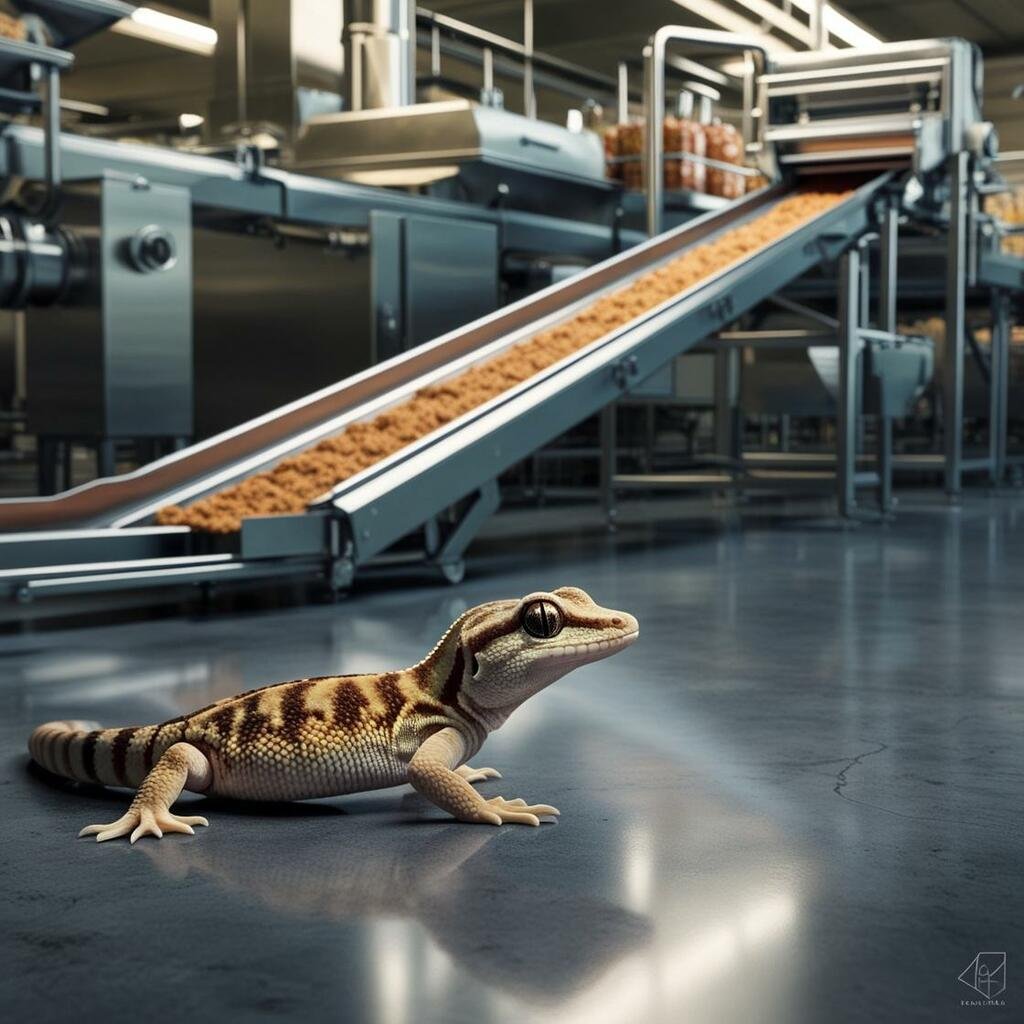
Geckos
Egyptian Geckos in Food Facilities
Introduction
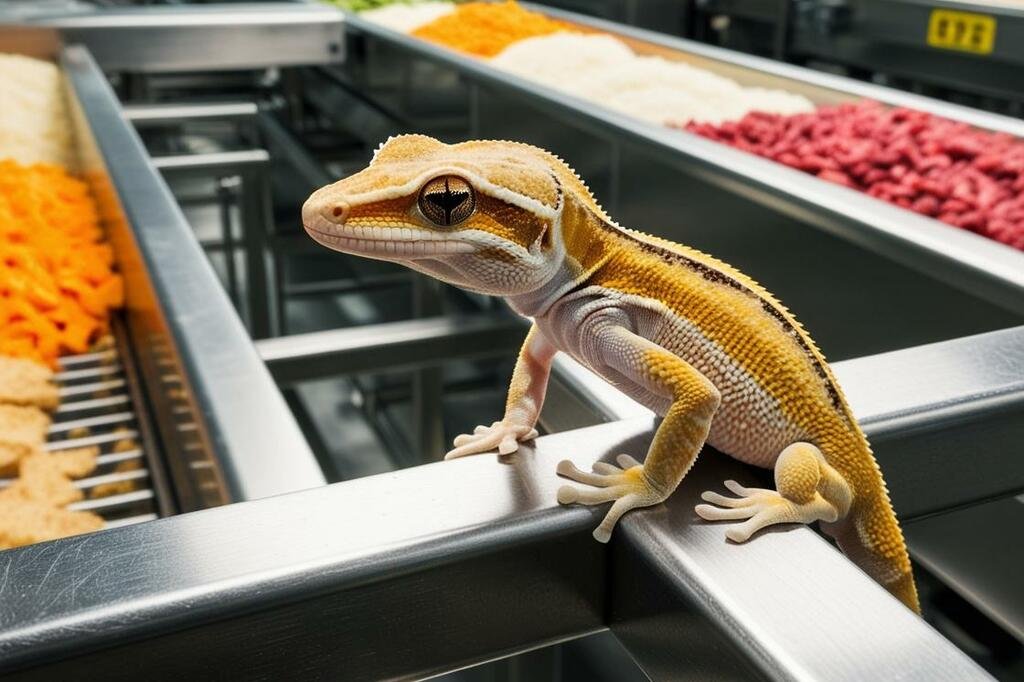
The Egyptian gecko, commonly known as the "house gecko," is a common reptile found in food facilities across Egypt. Geckos are attracted to food residues, insects, and light sources. While they may seem harmless, they pose significant risks to food safety by contaminating food products and surfaces with droppings and pathogens.
Characteristics of Egyptian Geckos
1. Small in size, typically 10–15 cm in length.
2. Grayish or light brown in color with a speckled pattern.
3. Active during the night and attracted to light sources.
4. Agile climbers capable of moving across walls and ceilings.
Risks of Egyptian Geckos in Food Facilities
1. Food Contamination:
- Geckos can contaminate food and surfaces with their droppings, which may carry harmful bacteria.
2. Spread of Pathogens:
- Geckos may carry pathogens such as salmonella, posing health risks to consumers.
3. Damage to Reputation:
- Their presence in food facilities can result in customer complaints and tarnish the business’s reputation.
4. Regulatory Non-Compliance:
- Geckos in food preparation areas can lead to violations of food safety regulations.
Prevention of Egyptian Geckos
1. Seal Entry Points:
- Close gaps and cracks in walls, ceilings, and doors to prevent gecko entry.
- Install door sweeps and insect-proof screens.
2. Reduce Attractants:
- Eliminate insect populations, which are the primary food source for geckos.
- Minimize light sources around food storage areas.
3. Maintain Cleanliness:
- Regularly clean floors and surfaces to remove food residues.
- Keep waste bins sealed and emptied frequently.
4. Monitor and Inspect:
- Regularly inspect facilities for signs of gecko activity such as droppings or sightings.
Control Methods for Egyptian Geckos
1. Trapping:
- Use sticky traps or live traps to capture geckos.
2. Repellents:
- Apply gecko repellents around entry points and high-activity areas.
3. Physical Barriers:
- Install barriers such as mesh screens to block access to sensitive areas.
4. Professional Pest Control:
- Engage licensed pest control professionals for safe and effective gecko removal.
Role of JAPTA in Gecko Control
**JAPTA**, licensed by the Egyptian Ministry of Health, provides expert services to manage gecko infestations in food facilities. Their team ensures safe and sustainable pest management solutions.
1. Initial Assessment:
- Conduct inspections to identify entry points and gecko activity.
2. Implementing IPM Systems:
- Develop customized Integrated Pest Management (IPM) programs to prevent and control gecko infestations.
3. Safe Repellent Use:
- Apply Ministry of Health-approved repellents to ensure safety and compliance.
4. Training and Awareness:
- Train staff on best practices to prevent gecko entry and infestations.
5. Continuous Monitoring:
- Provide regular follow-ups to ensure the facility remains gecko-free.
6. Documentation and Reporting:
- Offer detailed reports on pest control measures and their outcomes.
Why Choose JAPTA?
- Certified and experienced team licensed by the Egyptian Ministry of Health.
- Sustainable and eco-friendly pest control solutions.
- Expertise in food facilities to ensure compliance with health standards.
- Comprehensive customer support with ongoing monitoring and follow-ups.
JAPTA is your trusted partner in maintaining a gecko-free environment in your food facilities!
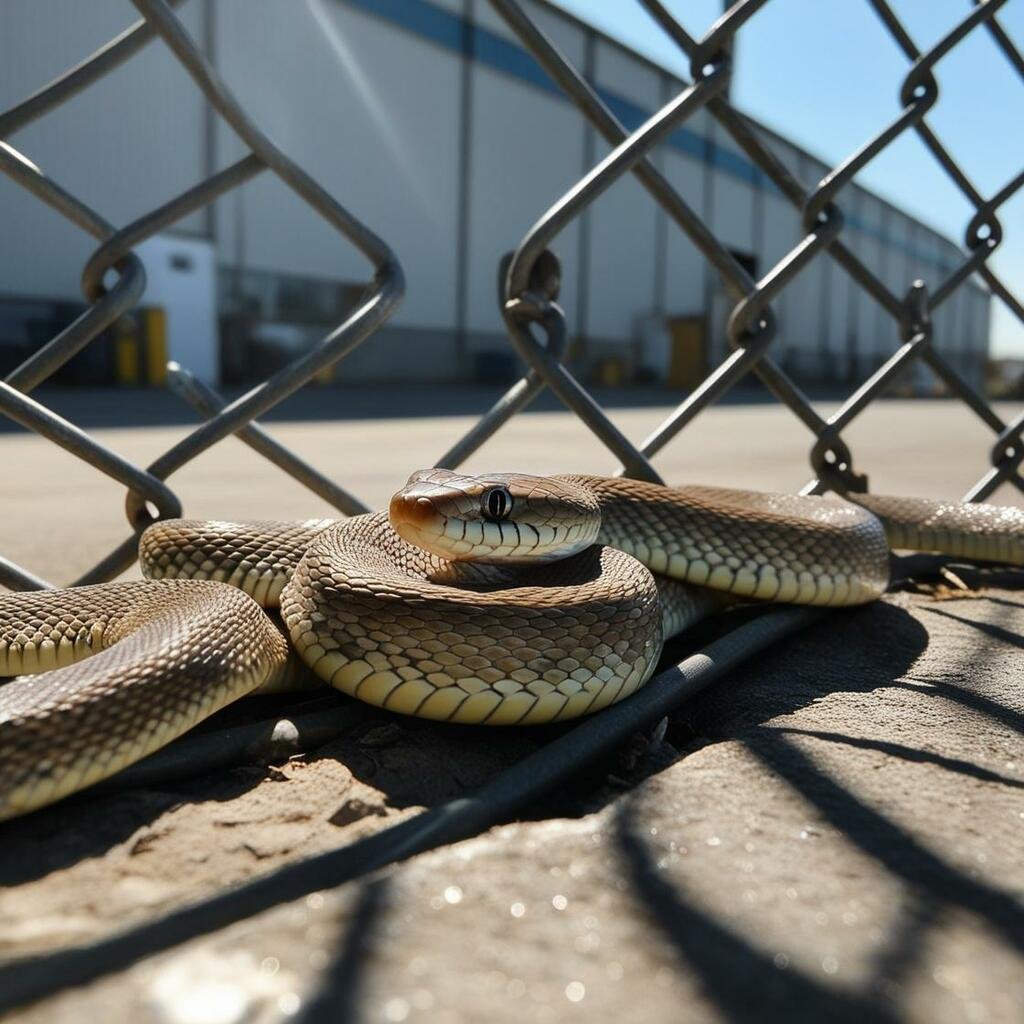
Snacks
Snakes in Food Facilities
Introduction
Snakes can occasionally enter food facilities, particularly those located near rural or forested areas. Their presence poses safety concerns for employees and potential contamination risks for food products. Effective measures are necessary to prevent and manage snake entry into food facilities.
Characteristics of Snakes in Food Facilities
1. Cold-blooded reptiles often seeking shelter and food.
2. Typically attracted to areas with rodent activity, as rodents are their primary food source.
3. Can enter through gaps, cracks, and open spaces.
Risks of Snakes in Food Facilities
1. Safety Concerns:
- Snakes may bite if threatened, posing health risks to employees.
2. Contamination Risks:
- Snake presence can lead to food contamination through contact with food or surfaces.
3. Reputational Damage:
- The sighting of a snake can damage the reputation of the facility and lead to customer concerns.
4. Disruption of Operations:
- The presence of a snake can cause panic and interrupt facility operations.
Prevention of Snakes
1. Seal Entry Points:
- Close gaps, cracks, and openings in walls, floors, and doors.
- Install snake-proof barriers around the facility.
2. Eliminate Food Sources:
- Control rodent populations, which are the primary attractants for snakes.
3. Maintain Cleanliness:
- Keep the facility free of debris and vegetation where snakes might hide.
4. Regular Inspections:
- Inspect the facility and surrounding areas for signs of snake activity.
Control Methods for Snakes
1. Physical Removal:
- Safely capture and remove snakes using professional services.
2. Barriers and Deterrents:
- Install physical barriers such as mesh screens and snake repellents.
3. Professional Pest Control:
- Engage licensed professionals for comprehensive snake management.
Role of JAPTA in Snake Management
**JAPTA**, licensed by the Egyptian Ministry of Health, provides expert solutions to manage and prevent snake entry in food facilities. Their team ensures safety and compliance with food safety standards.
1. Initial Assessment:
- Conduct inspections to identify potential snake entry points and attractants.
2. Implementing IPM Systems:
- Develop Integrated Pest Management (IPM) programs to prevent and manage snake issues.
3. Safe Removal:
- Use humane methods to safely remove snakes from the premises.
4. Training and Awareness:
- Educate staff on preventive measures and safety protocols in case of snake sightings.
5. Continuous Monitoring:
- Provide regular follow-ups to ensure the facility remains snake-free.
6. Documentation and Reporting:
- Offer detailed reports on actions taken and outcomes achieved.
Why Choose JAPTA?
- Certified and experienced team licensed by the Egyptian Ministry of Health.
- Sustainable and humane solutions for snake management.
- Expertise in food facilities to ensure compliance with health standards.
- Comprehensive customer support with ongoing monitoring and follow-ups.
JAPTA is your trusted partner in maintaining a snake-free environment in your food facilities!
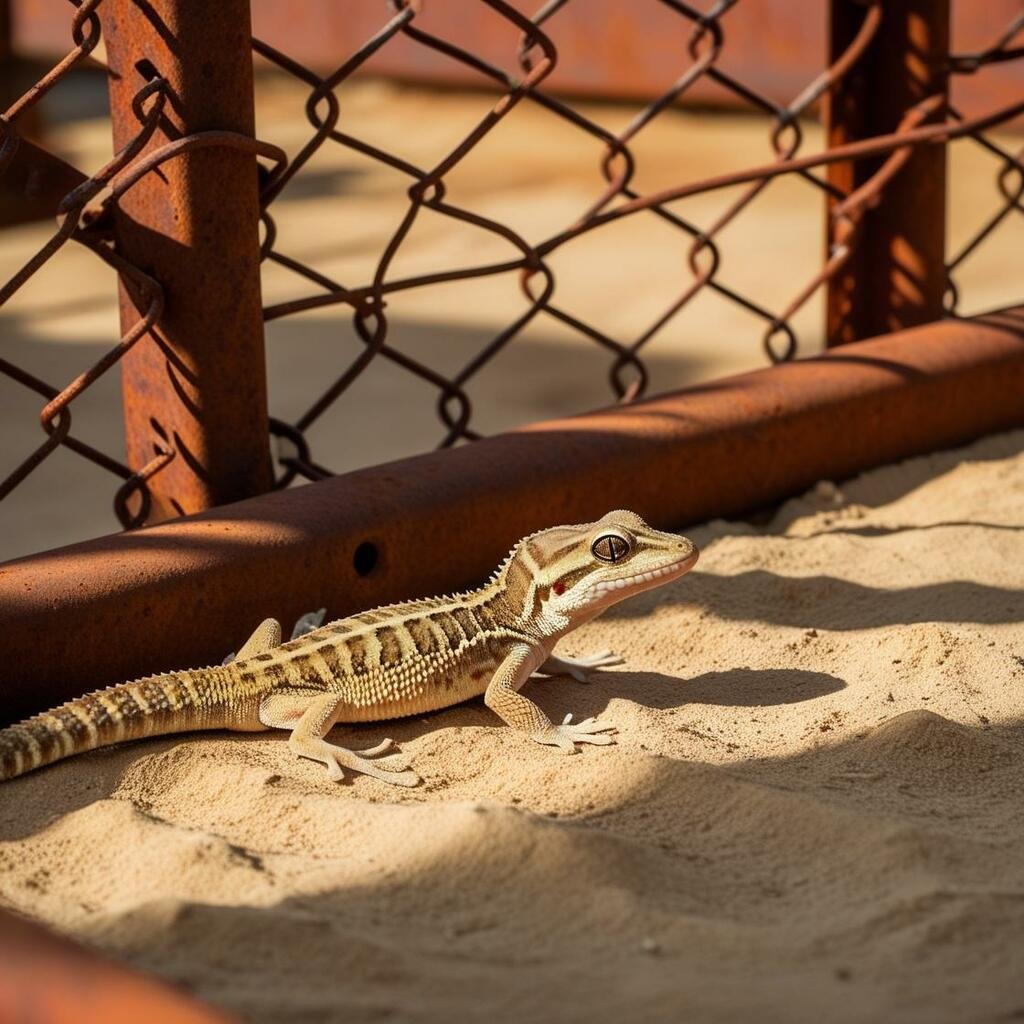
Lizards
Lizards in Food Facilities
Introduction
Lizards are reptiles that may enter food facilities, particularly in areas near greenery or open spaces. While generally harmless to humans, their presence in food facilities can lead to food contamination and raise hygiene concerns. Effective management is essential to prevent and control lizard infestations.
Characteristics of Lizards in Food Facilities
1. Cold-blooded reptiles that are agile climbers.
2. Attracted to insects, which are their primary food source.
3. Commonly found in areas with vegetation or where insects are abundant.
Risks of Lizards in Food Facilities
1. Food Contamination:
- Lizards can contaminate food and surfaces through their droppings and physical presence.
2. Hygiene Concerns:
- The presence of lizards raises questions about cleanliness and hygiene standards.
3. Reputational Damage:
- Sightings of lizards can harm the reputation of the facility and lead to customer complaints.
4. Disruption of Operations:
- Lizards in sensitive areas can disrupt operations and lead to regulatory concerns.
Prevention of Lizards
1. Seal Entry Points:
- Close gaps, cracks, and openings in walls, doors, and windows to prevent lizard entry.
2. Eliminate Food Sources:
- Control insect populations to reduce the primary attractant for lizards.
3. Maintain Cleanliness:
- Keep the facility free of food residues and clutter where lizards might hide.
4. Install Barriers:
- Use screens and mesh to block access to sensitive areas.
Control Methods for Lizards
1. Trapping:
- Use humane traps to capture lizards for safe removal.
2. Repellents:
- Apply lizard-safe repellents around entry points and high-activity areas.
3. Physical Barriers:
- Install physical barriers to prevent lizard entry into critical zones.
4. Professional Pest Control:
- Engage licensed professionals for comprehensive lizard management.
Role of JAPTA in Lizard Management
**JAPTA**, licensed by the Egyptian Ministry of Health, specializes in managing lizard infestations in food facilities. Their team ensures safe and effective solutions tailored to the facility's needs.
1. Initial Assessment:
- Inspect the facility to identify lizard entry points and attractants.
2. Implementing IPM Systems:
- Develop Integrated Pest Management (IPM) programs to prevent and control lizard infestations.
3. Safe Removal:
- Use humane methods to safely remove lizards from the premises.
4. Training and Awareness:
- Educate staff on preventive measures and best practices for managing lizard issues.
5. Continuous Monitoring:
- Provide regular follow-ups to ensure the facility remains lizard-free.
6. Documentation and Reporting:
- Offer detailed reports on actions taken and outcomes achieved.
Why Choose JAPTA?
- Certified and experienced team licensed by the Egyptian Ministry of Health.
- Sustainable and humane solutions for lizard management.
- Expertise in food facilities to ensure compliance with health standards.
- Comprehensive customer support with ongoing monitoring and follow-ups.
JAPTA is your trusted partner in maintaining a lizard-free environment in your food facilities!