1. Chemical Analysis:
Focuses on studying the nutritional components such as proteins, fats, vitamins, and minerals, along with detecting chemical contaminants like pesticide residues and heavy metals.
Associated Diseases:
Heavy metal poisoning, long-term health effects.
2. Microbiological Analysis:
Detects microorganisms like bacteria and viruses that may cause diseases. It ensures food safety during production and distribution.
Associated Diseases:
Salmonella, E. coli, Listeria.
3. Physical Analysis:
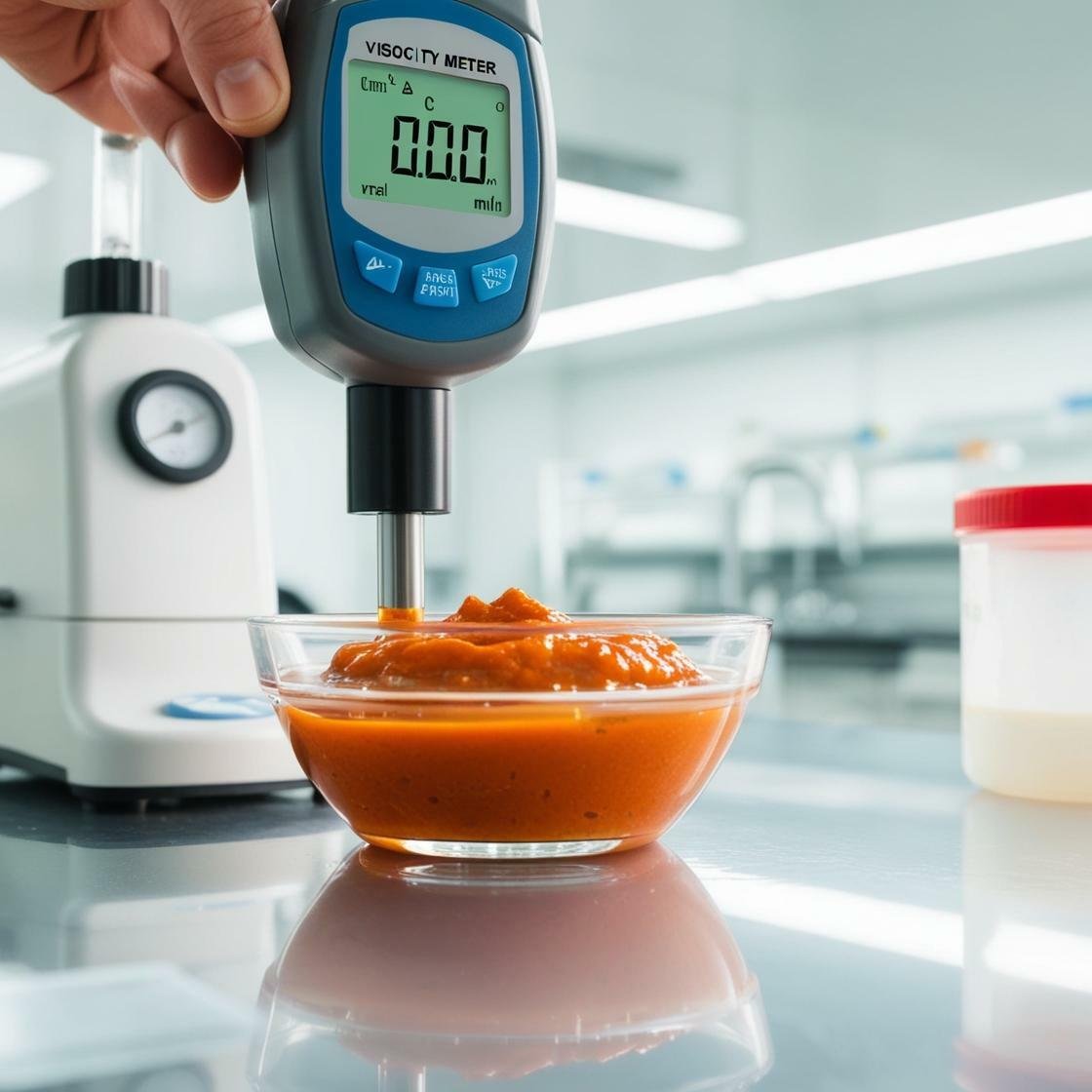
Examines physical attributes like color, texture, density, and purity. This ensures product quality and detects defects.
Risks:
Injuries caused by foreign objects like glass or metal shards.
4. Allergen Testing:
Identifies the presence of allergens such as gluten, nuts, milk, eggs, and soy. Protects consumers with allergies and ensures accurate labeling.
Key Allergens:
Gluten, nuts, milk, eggs, soy, sulphites.